Is a Boom Lift Safer Than a Scissor Lift? A Complete Safety Comparison
Published
Category
Small Scissor Lift
Compare boom lifts and scissor lifts by safety, fall protection, working height, outreach, stability, and applications to choose the right equipment for your job.
Is a Boom Lift Safer Than a Scissor Lift? A Complete Safety Comparison
Choosing between a boom lift and a scissor lift is not simply a matter of deciding which machine is safer. Both are designed to provide elevated access, but they use different operating mechanisms and are intended for different types of work.
A scissor lift primarily moves the work platform vertically. A boom lift can provide both vertical movement and horizontal outreach, allowing the platform to reach over or around obstacles. These differences affect the hazards associated with each machine, as well as the type of worksite where each is appropriate.
So, is a boom lift safer than a scissor lift? There is no universal answer. Safety depends on the equipment selected, the worksite, the required reach, ground conditions, platform configuration, operator training, fall-protection system, and the manufacturer's operating instructions.
For U.S. construction operations, the regulatory distinction is also important. OSHA states that scissor lifts are not covered by the aerial-lift provisions of 29 CFR 1926.453. OSHA instead treats scissor lifts as scaffolds under Subpart L, while boom-type aerial lifts fall under the aerial-lift provisions where the equipment meets the applicable definition.
This guide compares boom lift vs. scissor lift safety, reach, stability, fall protection, applications, and selection considerations so contractors, facility managers, rental companies, and equipment buyers can choose equipment based on the actual job rather than a simple safety ranking.
Are Boom Lifts and Scissor Lifts Designed for the Same Jobs?
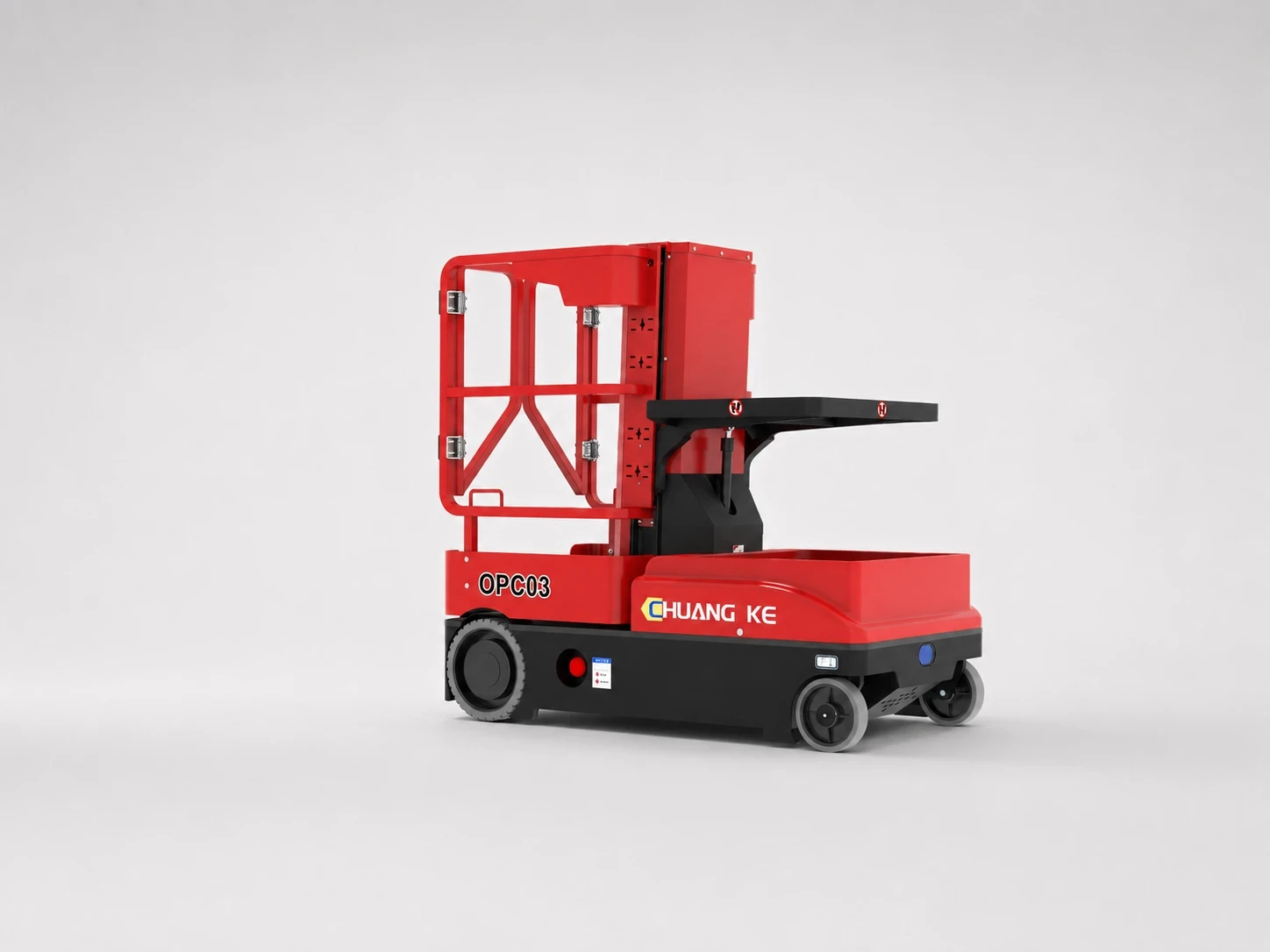
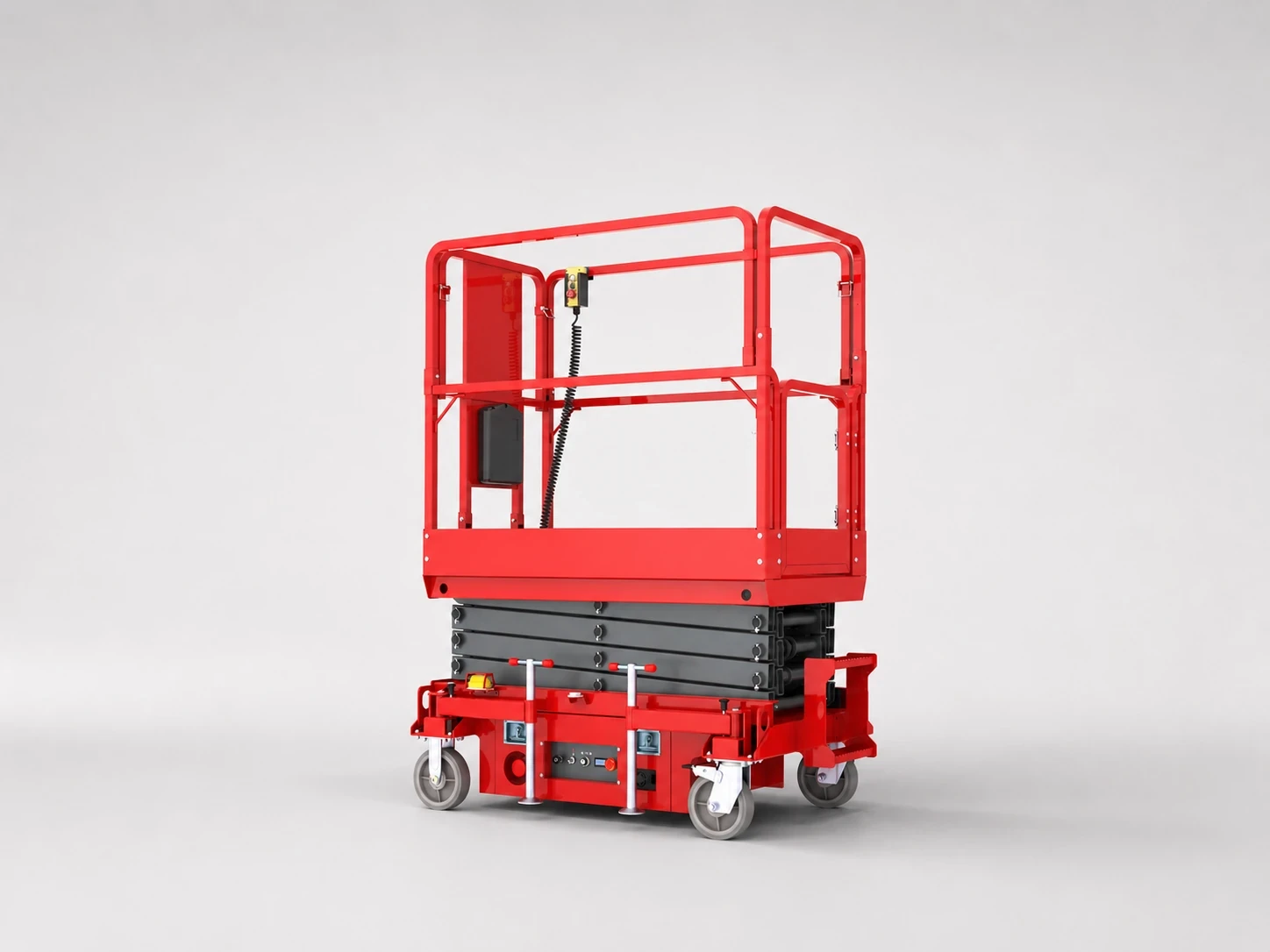
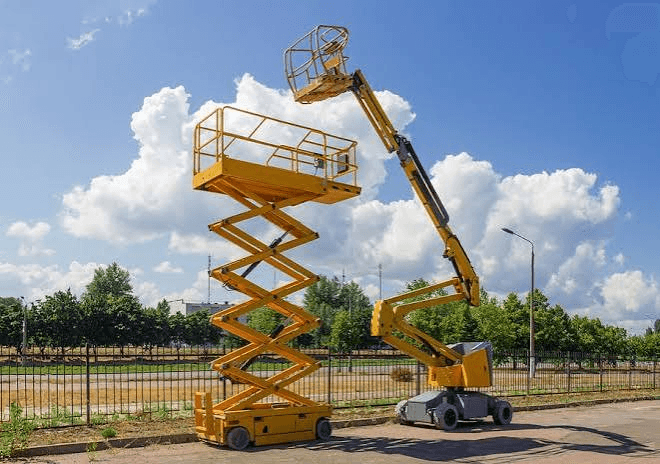
How a Scissor Lift Works
A scissor lift raises its platform vertically through a linked lifting mechanism. The platform generally remains within the machine's footprint while moving upward.
This makes the equipment particularly useful when the work location is primarily directly above the machine.
Typical applications include:
Ceiling maintenance
Lighting installation
Electrical work
HVAC servicing
Warehouse maintenance
Industrial facility maintenance
Indoor construction
A scissor lift also provides a relatively large platform compared with many boom-lift baskets, giving workers space for tools and permitted materials within the machine's rated capacity.
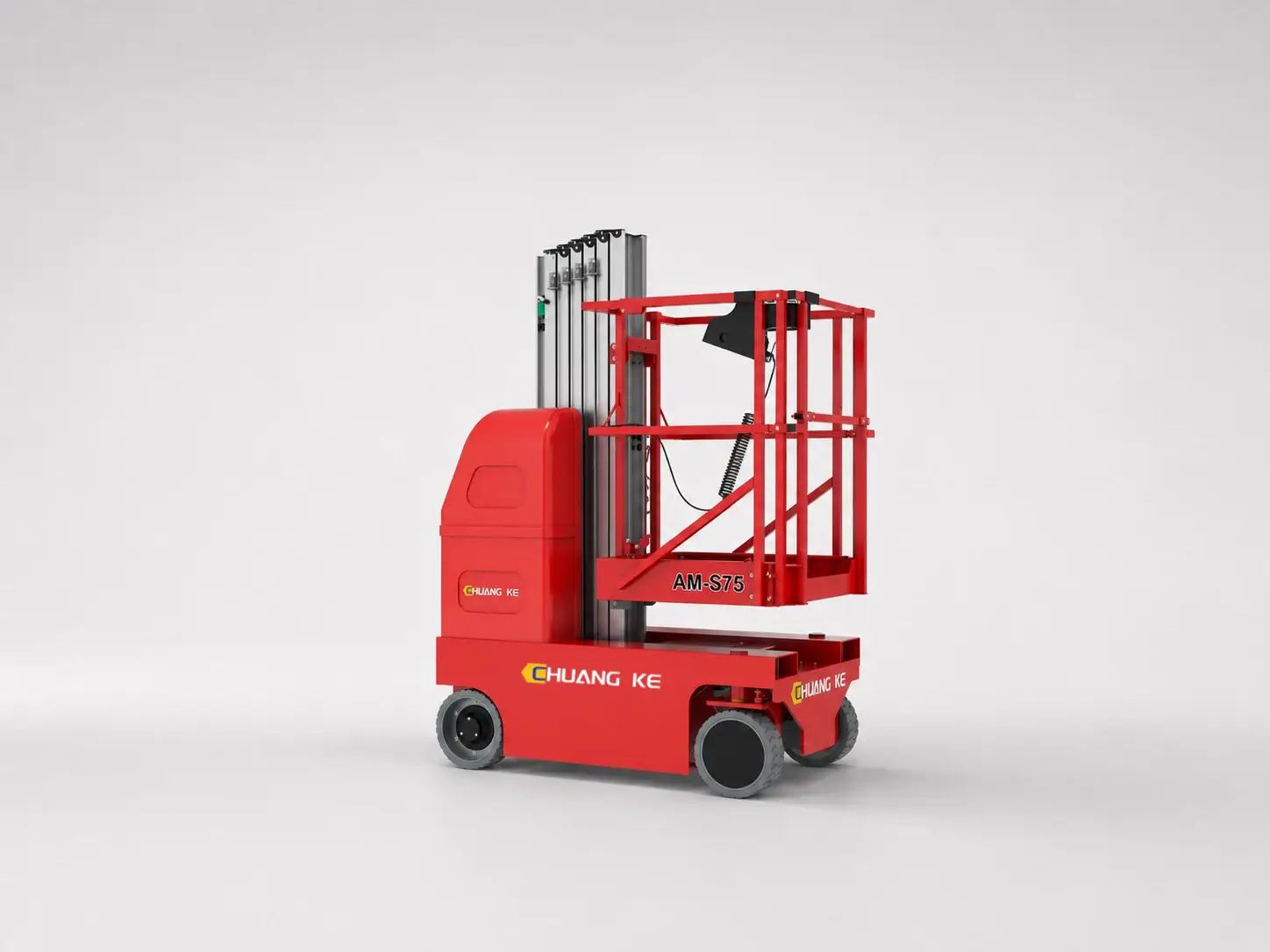
How a Boom Lift Works
A boom lift uses an articulated or telescopic boom to position a platform away from the machine's base.
Depending on the model, the boom can provide:
Vertical elevation
Horizontal outreach
Up-and-over access
Positioning around obstacles
This makes boom lifts useful when the operator cannot simply position the machine underneath the work area.
Examples include work around:
Building facades
Elevated structures
Roof edges
Industrial equipment
Structural steel
Areas blocked by fixed obstacles
The additional reach that makes a boom lift useful also changes the operating environment and the hazards that need to be controlled.
The Basic Difference
The simplest way to understand the difference is:
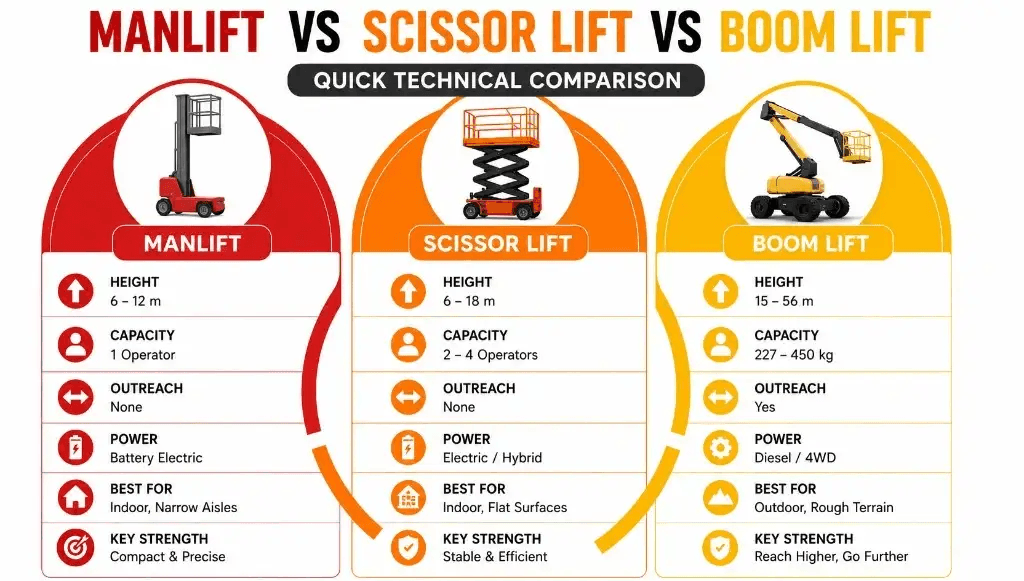
Scissor lift = primarily vertical access
Boom lift = vertical access plus horizontal outreach
This functional difference should be the starting point for equipment selection.
Is a Boom Lift Safer Than a Scissor Lift?
Safety Depends on the Application
Neither a boom lift nor a scissor lift should be considered universally safer.
A machine can be highly appropriate for one application and inappropriate for another.
For example, if workers need to maintain ceiling lights inside a warehouse, a compact electric scissor lift may provide direct vertical access without requiring horizontal outreach.
If workers must reach around a structure to access an elevated exterior work point, a boom lift may provide the necessary positioning capability.
In each case, selecting equipment that matches the work reduces the need for unsafe positioning, improvised access methods, or excessive operator movement.
Different Machines Have Different Risk Profiles
The hazards are not identical because the machines move differently.
A boom lift introduces considerations associated with:
Boom movement
Horizontal outreach
Platform positioning
Dynamic loads
Overhead obstacles
Fall protection
Ground stability
A scissor lift has its own considerations, including:
Platform elevation
Stability
Surface conditions
Guardrail protection
Overhead hazards
Crushing and collision risks
Load capacity
OSHA's scaffold guidance identifies falls, falling objects, structural instability, electrocution, and overloading among scaffold-related hazards, while OSHA's scissor-lift guidance specifically addresses falls, crushing, electrical hazards, stabilization, positioning, and worksite assessment.
The practical question is therefore not:
“Which lift is safer?”
It is:
“Which lift allows this task to be completed safely under the applicable equipment and worksite requirements?”
Boom Lift vs. Scissor Lift: Key Safety Differences

Fall Protection
Fall protection is one of the clearest differences between the two equipment categories under OSHA's construction framework.
OSHA's aerial-lift requirements in 29 CFR 1926.453(b)(2)(v) require employees working from applicable aerial lifts to use the required tie-off arrangement. OSHA's interpretation explains that workers in aerial lifts must be tied off, with the specific type of system depending on the circumstances.
Scissor lifts are treated differently. OSHA has stated that scissor lifts are not covered by the aerial-lift provisions and are instead subject to applicable scaffold requirements. Under 29 CFR 1926.451(g), employees on applicable scaffolds more than 10 feet above a lower level must be protected from falls using the protection specified by the standard.
OSHA has also specifically addressed scissor lifts equipped with compliant guardrails. Its interpretation explains that a properly designed and maintained guardrail system can provide the required fall protection in the circumstances covered by the scaffold requirements; additional personal fall protection can be necessary in other situations.
Guardrails
For a scissor lift, the guardrail system is a fundamental part of the work platform.
OSHA's scissor-lift guidance instructs employers to ensure the guardrail system is installed and workers are protected before using the platform. Workers should remain on the platform and should not stand on the guardrails to gain additional height.
For boom lifts, the worker operates in an aerial-lift platform or basket, where OSHA's applicable aerial-lift requirements include tie-off provisions.
Platform Positioning
A scissor lift generally requires the machine to be positioned relatively close to the work area.
A boom lift provides more flexibility because the operator can use the boom to position the platform around obstacles.
That advantage should not be interpreted as eliminating safety concerns. The boom's outreach changes the machine's geometry, operating envelope, and stability considerations.
Stability
Both machines depend on appropriate ground or support conditions.
OSHA's scaffold requirements include provisions concerning capacity, stability, positioning, and worksite conditions. OSHA also advises scissor-lift users to assess the worksite before selecting equipment and to address stabilization and positioning.
A boom lift may introduce additional stability considerations because the boom can extend beyond the base. Operators therefore need to use the machine within the manufacturer's specified operating envelope.
Working Height and Horizontal Outreach
Scissor Lift Working Height
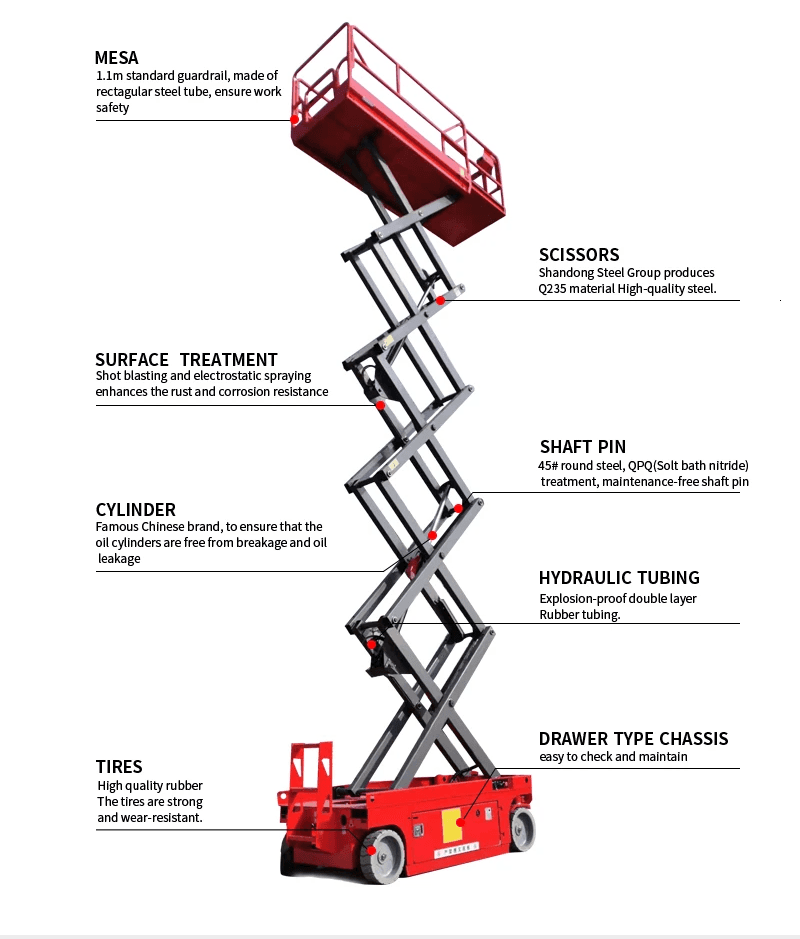
Scissor Lift working height is often the most important consideration when selecting a scissor lift.
The buyer should distinguish between:
Platform height
and
Working height
Working height generally describes the elevation at which the operator can perform the task, while platform height describes the elevation of the platform floor.
The exact definitions and published values should come from the specific manufacturer.
For a task directly above the machine, a scissor lift may provide sufficient vertical access without requiring outreach.
Boom Lift Horizontal Outreach
Horizontal outreach is one of the defining advantages of a boom lift.
A boom lift can allow workers to reach locations that cannot be accessed simply by raising a platform vertically.
For example:
Building wall → obstacle → elevated work point
A scissor lift may need to be repositioned directly underneath the target location, while a boom lift may be able to position the platform around the obstacle.
This makes horizontal outreach an important selection factor, not simply an additional specification.
Up-and-Over Access
Boom lifts are particularly useful when the work requires up-and-over access.
Examples include:
Reaching over machinery
Working above a roof edge
Accessing structures behind obstacles
Exterior building maintenance
Reaching elevated industrial equipment
If the task requires workers to reach outward as well as upward, a boom lift may be more appropriate than a conventional scissor lift.
Ground Conditions and Stability
Level Indoor Floors
Compact electric scissor lifts are often well suited to appropriate indoor environments with suitable surfaces.
Typical applications include:
Warehouses
Factories
Commercial buildings
Retail facilities
Maintenance areas
Before operating the machine, the employer should still assess floor conditions, traffic, overhead hazards, and the machine's operating limitations.
Outdoor and Uneven Surfaces
Outdoor construction introduces additional considerations.
OSHA's scissor-lift guidance emphasizes selecting suitable work locations and assessing hazards such as holes, slopes, drop-offs, debris, and other surface conditions.
The fact that a machine has a high working height does not mean that it is suitable for rough or uneven terrain.
Ground conditions should be evaluated together with:
Machine design
Tire or wheel configuration
Grade limits
Stabilization systems
Manufacturer instructions
Environmental conditions
Positioning Near Hazards
Both boom lifts and scissor lifts can encounter hazards from:
Holes
Slopes
Structures
Vehicles
Overhead equipment
Electrical sources
Pedestrians
The equipment should be positioned so that the work can be performed within the manufacturer's permitted operating conditions.
Platform Capacity and Working Space
Load Capacity
The rated platform capacity is another critical selection factor.
The working load should account for the people, tools, equipment, and permitted materials carried on the platform.
OSHA's scaffold requirements prohibit loading applicable scaffolds beyond the maximum intended load or rated capacity, subject to the standard's provisions.
A machine with greater working height is not automatically a machine with greater capacity.
The rated capacity of the exact configuration should always be checked.
Platform Size
Scissor lifts generally provide a broad platform intended for elevated work.
This can be useful when workers need:
More standing space
Multiple tools
Installation equipment
Permitted materials
Boom lifts generally use a more compact basket or platform designed around positioning the worker at a specific location.
This difference makes platform size an important consideration for maintenance and installation work.
Indoor vs. Outdoor Applications
When a Scissor Lift May Fit Indoor Work
A scissor lift can be suitable when the job involves:
Straight-up access
Limited horizontal clearance
Indoor maintenance
Warehouse operations
Ceiling work
Lighting installation
Electrical work
Compact electric models can be particularly useful where machine width and floor conditions are important.
When a Boom Lift May Fit Outdoor Work
A boom lift may be appropriate when the task requires:
Horizontal outreach
Up-and-over access
Positioning around obstacles
Exterior building access
Elevated structural work
However, outdoor suitability depends on the actual model and the conditions of the site.
The employer must still assess ground conditions, overhead hazards, weather, traffic, and other relevant risks.
OSHA Requirements for Boom Lifts and Scissor Lifts
OSHA Requirements for Aerial Lifts
For applicable construction aerial lifts, OSHA 29 CFR 1926.453 establishes requirements covering equipment covered by the aerial-lift provision.
OSHA's regulation and interpretations address requirements including:
Equipment compliance
Safe operation
Guardrail-related provisions
Fall protection
Controls
Operating limitations
In particular, OSHA's construction standard requires workers using applicable aerial lifts to be tied off in accordance with 1926.453(b)(2)(v).
OSHA Requirements for Scissor Lifts
OSHA's position is different for scissor lifts.
OSHA has stated that scissor lifts are not covered by the aerial-lift provisions of 1926.453. Instead, they meet the definition of a scaffold and must comply with the other applicable requirements of Subpart L. OSHA's interpretation specifically states that, because scissor lifts are mobile, the specific mobile-scaffold requirements in 1926.452(w) apply.
OSHA's scissor-lift eTool likewise identifies 1926.20(b), 1926.21, 1926.451, 1926.452(w), and 1926.454 among the construction provisions relevant to scissor lifts.
Why the Regulatory Framework Matters
The different OSHA treatment is one reason a direct safety comparison can be misleading.
The equipment category determines which requirements apply, while the worksite and task determine which hazards need to be controlled.
For example:
Boom lift → aerial-lift framework
Scissor lift → scaffold framework
That distinction should be considered alongside manufacturer instructions and any additional requirements applicable to the work.
When Should You Choose a Scissor Lift?
Directly Overhead Work
A scissor lift may be appropriate when the work area is directly above the machine.
Examples include:
Ceiling lighting
HVAC maintenance
Electrical installation
Indoor repairs
Warehouse maintenance
Larger Platform Requirements
If workers need substantial space for tools and permitted materials, the larger work platform of a scissor lift can be useful.
The machine should still be selected according to its rated capacity and platform configuration.
Indoor Maintenance
Compact electric scissor lifts are often a practical choice where maneuverability within a building is important.
Consider:
Door width
Aisle width
Floor condition
Working height
Platform size
Machine weight
Battery requirements
When Should You Choose a Boom Lift?
Work Over Obstacles
A boom lift can be useful when the work cannot be accessed directly from below.
Examples include:
Building facades
Machinery behind fixed structures
Elevated exterior installations
Structural maintenance
Horizontal Outreach
When the work requires meaningful lateral reach, a boom lift may provide a capability that a scissor lift does not.
This can reduce the need to repeatedly reposition the machine simply to reach different points.
Difficult-to-Access Work Areas
Boom lifts can be useful where the access route requires the platform to travel around or above obstacles.
However, greater positioning capability does not remove the need for careful worksite assessment and proper operator training.
Can One Project Require Both Types of Lift?
Different Tasks May Require Different Platforms
A large construction or maintenance project may involve multiple elevated-access tasks.
For example:
Indoor ceiling installation → scissor lift
Exterior structural work around obstacles → boom lift
Warehouse lighting maintenance → compact electric scissor lift
Elevated work requiring horizontal outreach → boom lift
Equipment selection should therefore be task-specific rather than project-wide whenever site conditions and work requirements differ.
Match the Equipment to the Work Path
A useful way to think about equipment selection is:
Where is the machine?
Where is the platform?
Where does the worker need to reach?
What obstacles exist between the machine and the work point?
If the answer requires only vertical movement, a scissor lift may provide a straightforward solution.
If the answer requires the platform to move over or around an obstacle, a boom lift may be the more appropriate equipment category.
How to Choose Between a Boom Lift and a Scissor Lift
1. Define the Actual Work Point
Identify the location where the worker must perform the task.
Do not rely solely on total building height.
2. Determine the Required Reach
Decide whether the task requires:
Vertical reach only
Horizontal outreach
Up-and-over access
3. Check Ground Conditions
Assess:
Levelness
Holes
Slopes
Surface strength
Obstacles
Debris
4. Calculate the Required Capacity
Include:
Operator(s) + tools + equipment + materials
Then compare the total with the exact machine's rated capacity.
5. Review the Worksite Envelope
Check:
Doorways
Aisles
Overhead structures
Electrical hazards
Other equipment
Pedestrian traffic
6. Review Fall-Protection Requirements
Determine the applicable OSHA requirements, equipment configuration, manufacturer instructions, and employer procedures.
7. Compare Manufacturer Specifications
Before purchasing or renting, verify:
Working height
Platform height
Outreach
Platform capacity
Platform size
Machine width
Machine weight
Grade limits
Drive system
Safety systems
8. Select the Equipment That Matches the Task
Do not choose the largest machine simply because it offers the greatest reach.
Choose equipment that provides the required access while remaining within its specified operating conditions.
Key Comparison: Boom Lift vs. Scissor Lift
Factor | Scissor Lift | Boom Lift |
|---|---|---|
Primary movement | Vertical | Vertical + horizontal |
Typical access | Directly above the machine | Around or over obstacles |
Work platform | Generally larger | Generally more compact |
Outreach | Limited | Major capability |
Indoor applications | Often suitable for appropriate conditions | Depends on model and site |
Outdoor applications | Model and surface dependent | Common for applications requiring outreach |
Typical use | Maintenance, installation, warehouse work | Construction, exterior and obstacle-access work |
Fall protection framework in U.S. construction | Generally scaffold requirements | Aerial-lift requirements where applicable |
Main selection question | “Can the platform reach straight up?” | “Can the platform reach over or around the obstacle?” |
This table is a general comparison. The exact capabilities and regulatory requirements depend on the equipment model, configuration, and worksite.
Common Mistakes When Comparing Boom Lifts and Scissor Lifts
Assuming One Machine Is Always Safer
There is no universal safety ranking.
Safety depends on matching the equipment to the work and controlling the hazards associated with that equipment.
Choosing Equipment Based Only on Working Height
A machine may reach the required height but still be unsuitable because of its width, capacity, outreach, surface limitations, or operating environment.
Ignoring Horizontal Outreach
If the worker must reach around an obstacle, maximum platform height alone does not answer the equipment-selection question.
Ignoring Machine Width
For indoor applications, a machine that cannot pass through the required doorway or aisle is not a practical solution.
Treating Boom Lift and Scissor Lift Fall Protection as Identical
OSHA applies different regulatory frameworks to aerial lifts and scissor lifts in construction.
Modifying the Equipment
Do not modify guardrails, controls, structural components, or safety systems without an approved manufacturer process.
Relying on Generic Operating Advice
The operator's manual for the specific model should be the primary technical reference for operation and maintenance.
What Should Contractors and Buyers Ask Before Choosing a Lift?
Questions About the Job
Before contacting a manufacturer or rental company, prepare:
Required working height
Required outreach
Platform load
Number of workers
Indoor or outdoor use
Ground conditions
Door and aisle dimensions
Platform space requirements
Expected operating frequency
Questions About the Equipment
Ask the supplier to confirm:
Working height
Platform height
Horizontal outreach where applicable
Rated platform capacity
Machine width
Machine weight
Drive configuration
Grade limitations
Safety systems
Emergency systems
Inspection requirements
Maintenance requirements
Operator documentation
Questions About Support
For B2B buyers, also consider:
Spare parts
Technical support
Warranty terms
Operator manuals
Maintenance documentation
Training information
Replacement-component identification
This is particularly important when equipment will be operated by a rental fleet, distributor network, or maintenance team across multiple sites.
Frequently Asked Questions About Boom Lifts and Scissor Lifts
Is a boom lift safer than a scissor lift?
Not universally. A boom lift and a scissor lift have different capabilities and different hazard profiles. The appropriate choice depends on the task, required reach, ground conditions, equipment configuration, applicable safety requirements, and manufacturer instructions. OSHA also applies different construction regulatory frameworks to aerial lifts and scissor lifts.
Is a scissor lift safer than a boom lift?
There is no universal answer. A scissor lift can be appropriate for work requiring primarily vertical access, while a boom lift may be appropriate when horizontal outreach or up-and-over access is required. Safety depends on selecting and operating the equipment correctly for the actual application.
What is the main difference between a boom lift and a scissor lift?
A scissor lift primarily provides vertical movement. A boom lift uses a boom to provide both vertical elevation and horizontal outreach, depending on the machine design.
Which is better for indoor work, a boom lift or a scissor lift?
A scissor lift can be well suited to indoor work that requires vertical access, particularly when the machine must operate within narrow spaces. The actual choice depends on working height, machine width, floor conditions, platform requirements, and the job.
Which lift is better for reaching over obstacles?
A boom lift is designed to provide horizontal outreach and positioning around obstacles, making it suitable for applications where the work point cannot be accessed directly from below.
Do boom lifts require a harness?
For applicable construction aerial lifts covered by 29 CFR 1926.453, OSHA requires employees working from aerial lifts to be tied off in accordance with the applicable fall-protection provision.
The exact fall-protection system should be determined from the applicable OSHA requirements, equipment design, manufacturer instructions, and employer procedures.
Do scissor lifts require a harness?
Not every scissor-lift operation is governed by a blanket “harness required” rule. OSHA treats scissor lifts as scaffolds under its construction framework, and fall protection is addressed through the applicable scaffold provisions. OSHA has specifically stated that a properly designed and maintained guardrail system can provide required fall protection in covered circumstances.
Are scissor lifts considered aerial lifts under OSHA?
No, not under OSHA's construction aerial-lift provisions. OSHA has specifically stated that scissor lifts do not fall within the aerial-lift categories covered by 29 CFR 1926.453 and instead meet the definition of a scaffold.
What are the main safety hazards of a boom lift?
Potential hazards can include falls, tip-over or instability, contact with overhead or electrical hazards, crushing or entrapment, collision, and misuse of the equipment. The applicable risks depend on the machine and jobsite.
What are the main safety hazards of a scissor lift?
Potential hazards include falls from the platform, tip-over or instability, crushing against structures, electrical hazards, falling objects, overloading, and collision with vehicles or fixed objects. OSHA's scissor-lift guidance specifically addresses these types of hazards.
Which machine is better for warehouse maintenance?
For work that mainly requires vertical access inside a suitable warehouse environment, an appropriately sized electric scissor lift can be a practical option. Important selection factors include working height, machine width, platform capacity, floor conditions, and available maneuvering space.
Which machine should I choose for building maintenance?
Start with the work point and access path. If the work is directly above the machine, a scissor lift may be appropriate. If the work requires horizontal outreach or access around an obstacle, a boom lift may be more suitable.
Related
Conclusion
The question “Is a boom lift safer than a scissor lift?” does not have a universal yes-or-no answer.
A more useful approach is to compare the machines according to the actual work:
Scissor lift → primarily vertical access, larger work platform, and many maintenance or indoor applications
Boom lift → vertical access plus horizontal outreach and up-and-over positioning
Safety depends on selecting equipment appropriate to the task, assessing the worksite, following the manufacturer's limitations, using the required fall-protection system, controlling ground and overhead hazards, and ensuring operators are properly trained.
For U.S. construction work, the regulatory distinction is especially important. OSHA states that scissor lifts are not covered by the aerial-lift provisions of 29 CFR 1926.453; OSHA instead treats them as scaffolds under Subpart L. Applicable construction requirements can therefore differ from those governing boom-type aerial lifts.
For contractors, rental companies, facility managers, and equipment buyers, the most reliable selection process is:
Define the work → measure the reach → assess the worksite → calculate the load → check access space → review fall protection → verify manufacturer specifications → select the appropriate equipment.
The right access platform is the one that provides the required reach and workspace while operating within its designed limits and the safety requirements applicable to the job.
For businesses evaluating boom lift vs. scissor lift equipment, WIZPLUS can help assess the required working height, platform capacity, machine dimensions, operating environment, and application so the equipment configuration matches the actual project requirements.