What is warehouse order picking?
Published
Category
Order Picker
Learn how piece picking, batch picking, zone picking, and wave picking work, and how to choose the right order picking method for your warehouse.
Warehouse order picking is one of the most important stages of the order fulfillment process. Whether a facility handles e-commerce orders, retail products, spare parts, industrial components, or mixed inventory, the way products are picked can affect travel time, order accuracy, labor efficiency, and overall warehouse throughput.
There is no single warehouse order picking method that works for every facility. A small operation processing individual customer orders may use piece picking, while a larger distribution center may combine batch picking, zone picking, and wave picking. Warehouse size, SKU count, order frequency, product characteristics, storage layout, labor availability, and order picking equipment all need to be considered.
Understanding the main order picking methods can help warehouse managers identify a workflow that fits their operation and select equipment that supports it.
What Is Warehouse Order Picking?
Warehouse order picking is the process of retrieving products from storage locations after an order has been received. Once picked, the products are usually moved to packing, shipping, consolidation, production, or another processing area.
Although the basic concept is simple, picking can involve a large amount of movement. An operator may need to travel through multiple aisles, locate specific products, retrieve the required quantity, and transport the items to the next stage of the process.
In a high-volume warehouse, repeated travel can become a major part of daily labor activity. This is why an effective picking process should focus not only on speed but also on accuracy, product access, storage organization, and safe movement.
A practical warehouse order picking process should support:
Accurate product retrieval
Efficient movement between storage locations
Effective use of available warehouse space
Consistent order processing
Safe handling practices
Appropriate use of labor and equipment
Why Order Picking Matters in Warehouse Operations
Order picking has a direct impact on warehouse productivity because operators often spend a significant amount of time traveling between storage positions.
When frequently picked products are located far from packing areas, or when the picking route is poorly organized, workers may spend more time moving than retrieving products. Repeated travel becomes even more important as order volume increases.
Order accuracy is another major consideration. A warehouse may process orders quickly, but incorrect quantities, missing products, or wrong SKUs can create additional work and affect customer service.
For this reason, warehouse managers should evaluate several factors together. Picking speed, accuracy, storage density, operator movement, equipment selection, and inventory organization all contribute to the overall efficiency of the operation.
As a warehouse grows, its original picking method may also become less suitable. Higher order volumes, additional SKUs, or changes in customer requirements can create the need for a different picking strategy.
Main Warehouse Order Picking Methods
Several warehouse picking methods are widely used. Each approach has advantages and limitations depending on the type of operation.
Piece Picking
Piece picking, also known as single-order picking, involves completing one customer order at a time.
The operator receives an order, travels through the warehouse, collects the required products, and takes the completed order to the next stage. This is one of the simplest picking methods and can be easy to understand and implement.
Piece picking may be suitable for warehouses with relatively low or moderate order volumes, particularly when orders contain only a small number of items.
The main disadvantage is repeated travel. If many different orders require products from the same storage locations, an operator may need to visit those locations multiple times.
Piece picking is commonly considered when:
Orders are relatively small
Order volume is manageable
Product locations are easy to access
The warehouse layout is straightforward
Simple order separation is important
Batch Picking
Batch picking combines several customer orders into a single picking trip.
Instead of completing one order before starting the next, an operator picks the combined quantity of products required for several orders. The products are then separated into individual orders during a later sorting or consolidation stage.
For example, if several orders require the same SKU, the operator can retrieve the combined quantity during one trip instead of returning to the same location multiple times.
This can reduce repeated travel and improve picking efficiency when many orders contain overlapping products.
However, batch picking creates an additional sorting requirement. The warehouse needs a clear process for separating products and ensuring that the correct items are assigned to the correct orders.
Zone Picking
Zone picking divides a warehouse into different picking areas, or zones. Each operator is responsible for products located within a particular zone.
Instead of walking through the entire facility, workers focus on a specific area. This can reduce travel and make responsibilities easier to organize in larger warehouses.
Zone picking can work well in facilities with:
Large storage areas
High SKU counts
High order volumes
Clearly defined product categories
Multiple picking teams
A possible challenge is coordination. An order may contain products from several zones, meaning the warehouse must have an efficient process for transferring and consolidating items.
Wave Picking
Wave picking organizes picking activity around scheduled time periods.
Orders may be released in groups according to shipping deadlines, carrier schedules, product categories, available labor, or other operational requirements.
For example, a warehouse may create a picking wave for orders that need to be shipped during a specific period. This can help synchronize picking with packing and dispatch operations.
Wave picking can also be combined with other methods. A warehouse may divide its facility into zones and then release picking work in scheduled waves.
This approach can be useful in larger operations where order timing and downstream coordination are important.
Piece Picking vs. Batch Picking vs. Zone Picking
The right method depends on the structure of the warehouse and the type of orders being processed.
Piece picking is relatively simple and works well when each order can be completed independently. Batch picking can reduce repeated travel when several orders contain similar products. Zone picking can divide a large warehouse into manageable working areas.
Wave picking adds a scheduling component and can be combined with piece, batch, or zone picking.
Instead of choosing a method based on general popularity, warehouse managers should look at actual order patterns, SKU distribution, operator movement, and shipping requirements.
How Warehouse Layout Affects Order Picking
Warehouse layout plays a major role in picking efficiency.
The location of racks, shelving, packing stations, staging areas, loading areas, and frequently requested products can affect how far operators need to travel during each picking cycle.
Frequently picked products are often placed where they can be accessed efficiently. Slower-moving items may be stored in areas that are further away or less convenient to access.
Aisle width is another important consideration. The warehouse needs enough space for people and equipment to move safely. If powered order picking equipment is used, machine dimensions and maneuverability should be considered when planning the layout.
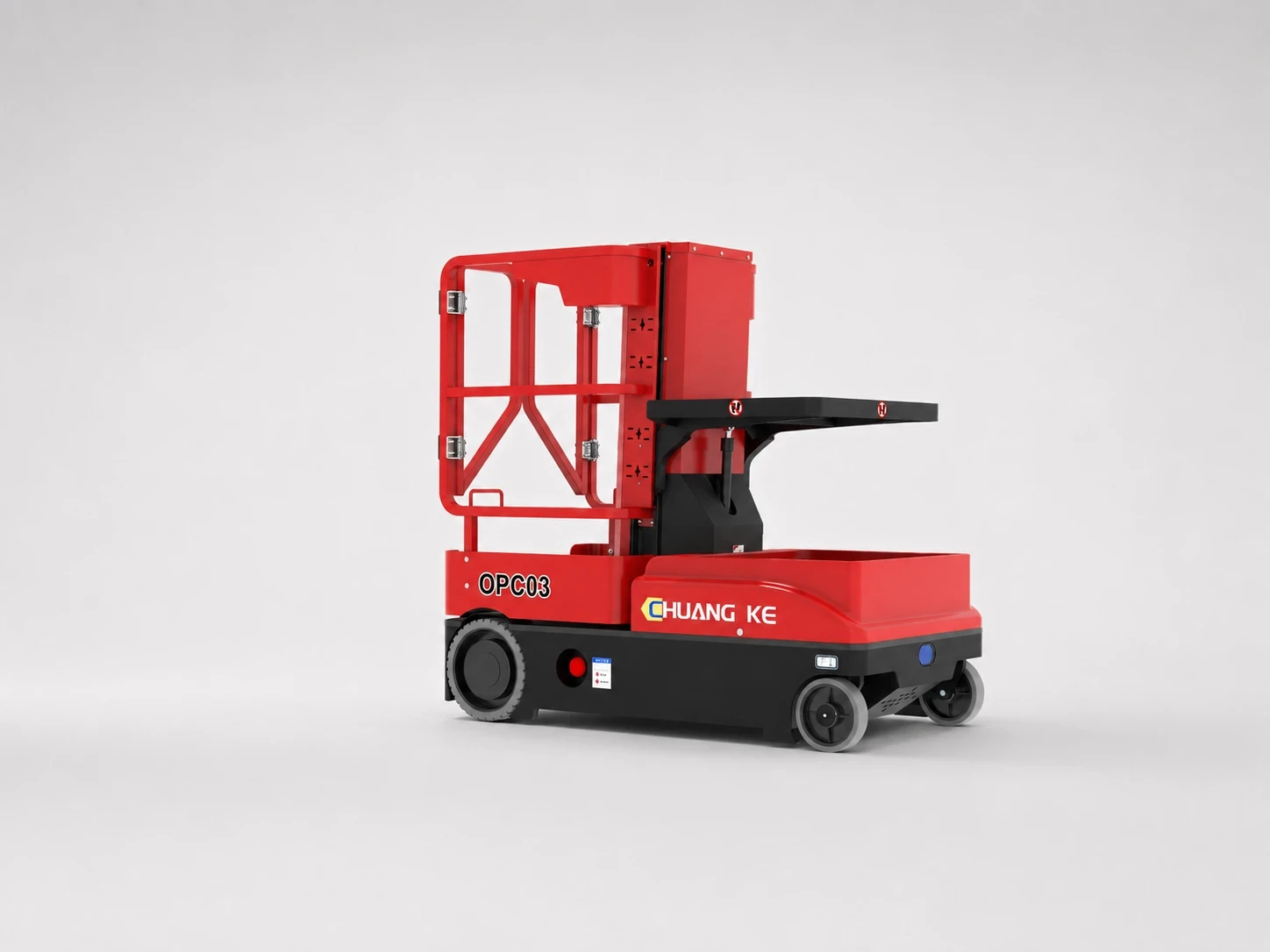
Vertical storage also affects picking. Products stored at higher rack levels may require specific access equipment. In these situations, an order picker can provide a more practical way to reach elevated inventory.
The best picking method should therefore work together with the warehouse layout rather than being planned separately.
How Order Pickers Support Warehouse Picking
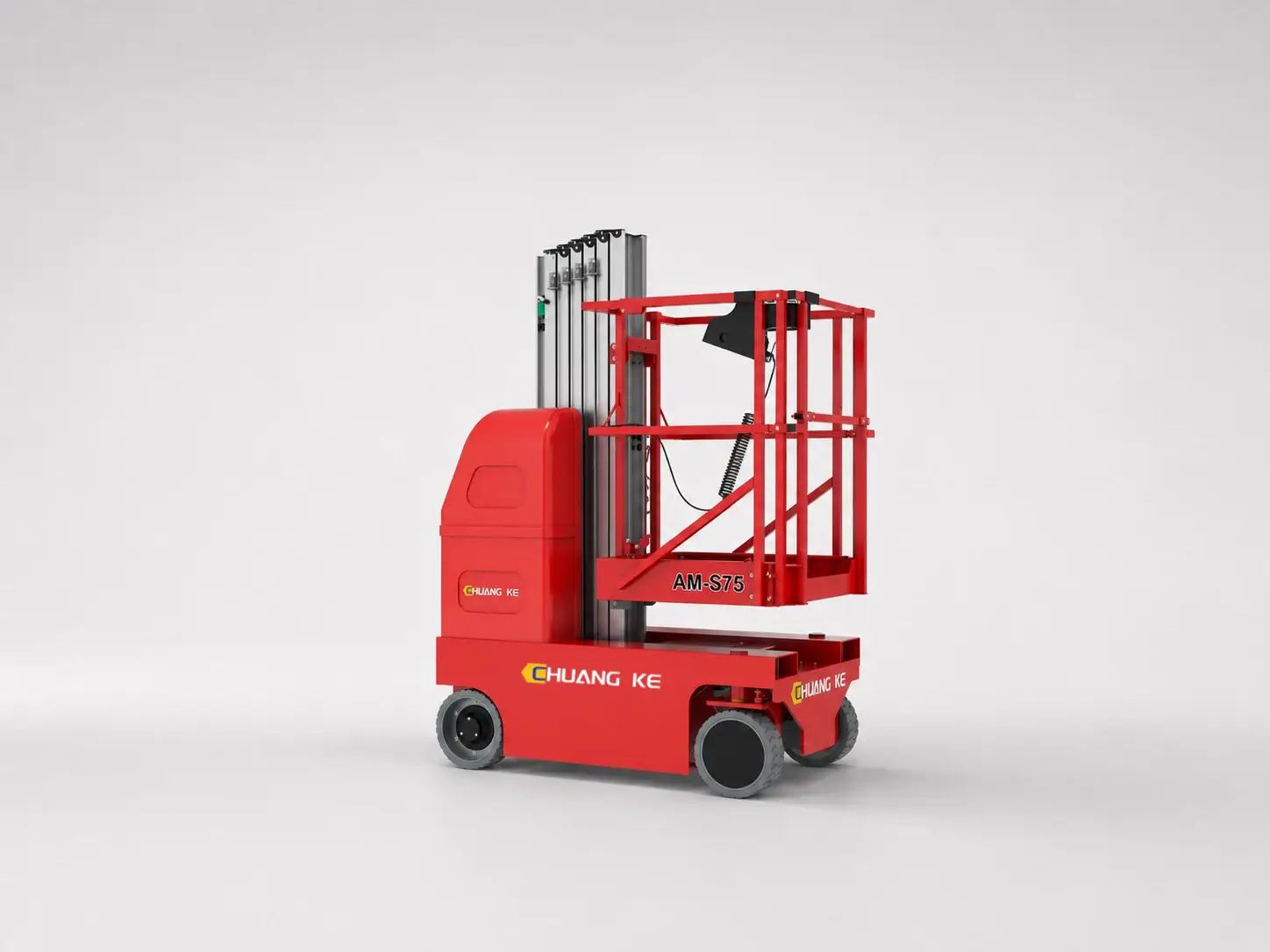
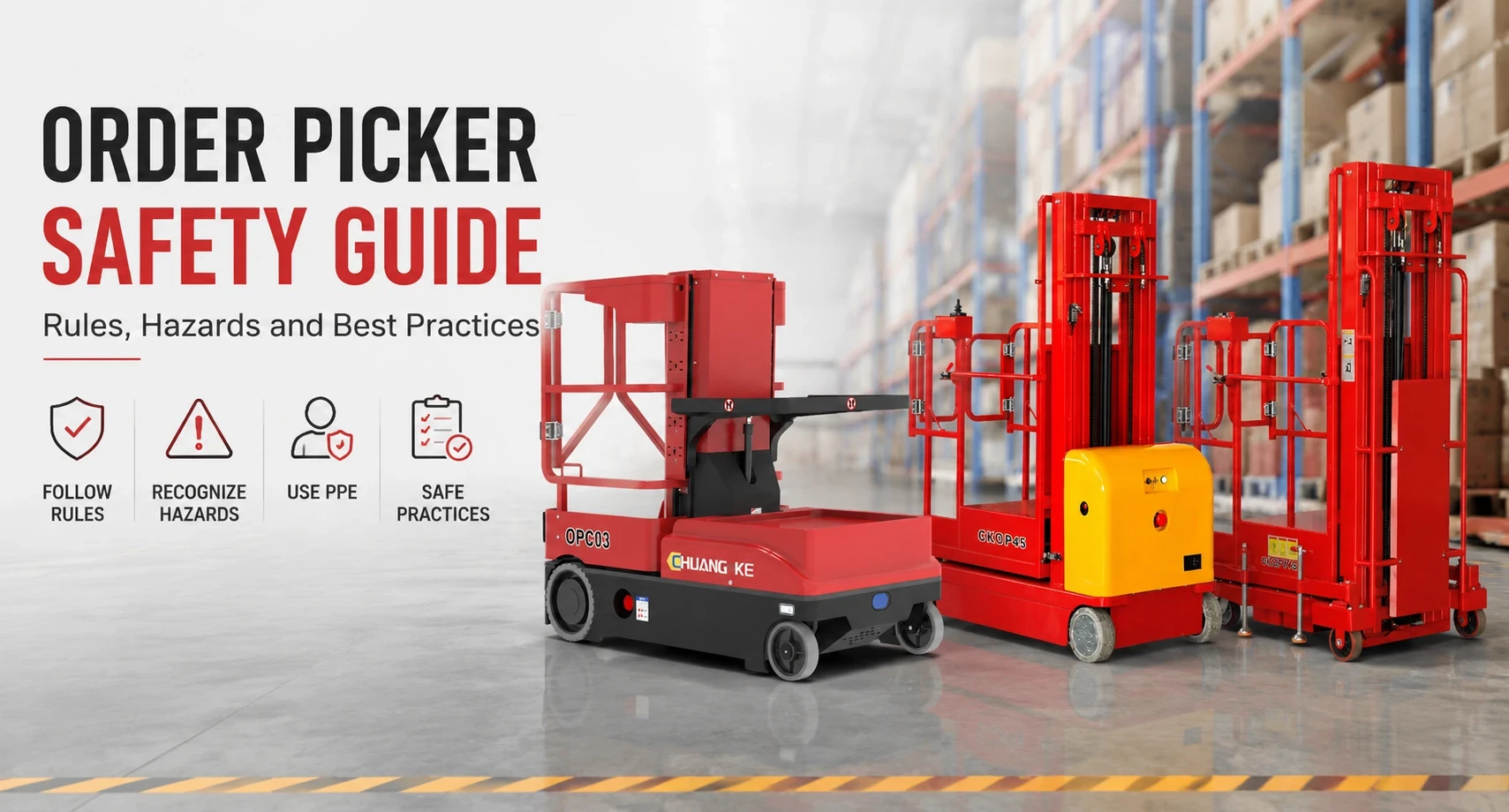
Order pickers are designed for retrieving individual products from storage locations.
Unlike equipment intended mainly for horizontal pallet movement, an order picker allows an operator to work directly with stored products. Depending on the machine configuration, it can provide access to different rack levels while allowing the operator to move through the warehouse.
This makes order pickers particularly useful for facilities where workers regularly retrieve products from shelving or racks.
Electric order pickers can be suitable for indoor warehouse environments where powered movement, compact dimensions, and quieter operation are useful. They can reduce the physical effort involved in repositioning equipment during repeated picking tasks.
However, equipment should always match the application. Working height, platform capacity, machine dimensions, aisle width, floor conditions, and picking frequency should be reviewed before selecting an order picker.
When Should a Warehouse Change Its Picking Method?
A picking strategy that works for a small warehouse may become less efficient as the operation expands.
One common sign is increasing order volume. As more orders are processed each day, repeated travel becomes more significant. A warehouse may need to consider batch picking or zone picking instead of relying entirely on single-order picking.
Another sign is a growing number of SKUs. As product ranges expand, items can become more widely distributed throughout the facility, increasing search and travel time.
Excessive operator travel is another useful indicator. If employees spend a large portion of their shifts moving between storage locations, the warehouse may benefit from changes to product placement, picking routes, or equipment.
Order accuracy should also be monitored. Increasing errors can indicate that the current process, storage organization, or order separation method needs to be reviewed.
How to Choose the Right Order Picking Method
The right warehouse picking method should be based on actual operating conditions.
Review Order Characteristics
Start with average order size, number of items per order, order frequency, and SKU distribution.
If many orders contain the same products, batch picking may be worth considering. If products are distributed across clearly defined areas, zone picking may provide a more organized workflow.
Examine the Warehouse Layout
Review aisle lengths, rack locations, storage density, and the distance between picking and packing areas.
A picking method that requires operators to travel long distances may be less effective in a large warehouse than one that limits movement.
Consider Available Labor
The number of available workers and their experience can influence the choice of picking system.
Some methods require more coordination between teams, while others rely more heavily on individual operators.
Evaluate Equipment Requirements
Consider whether the warehouse needs carts, pallet trucks, order pickers, electric equipment, or other material handling solutions.
Equipment should match working height, load requirements, aisle dimensions, and expected frequency of use.
Plan for Future Growth
The picking process should not be designed only for current order volume.
If the warehouse is expected to add new products, increase order frequency, expand storage capacity, or move toward higher-density storage, the picking method should have enough flexibility to adapt.
Common Warehouse Order Picking Challenges
Even an established picking system can develop problems over time.
Excessive Travel
Long travel routes increase the time needed to complete orders. Reviewing product placement and identifying frequently picked SKUs can help reduce unnecessary movement.
Poor Product Organization
If products are difficult to identify or storage locations are inconsistent, operators may spend additional time searching for items. Clear labeling and organized storage can support a smoother picking process.
Congested Aisles
Heavy pedestrian and equipment traffic can slow down picking activity. Warehouse managers should consider aisle width, traffic patterns, equipment size, and picking schedules.
Limited Access to Elevated Storage
Vertical storage can increase warehouse capacity, but products stored at higher levels require appropriate access equipment.
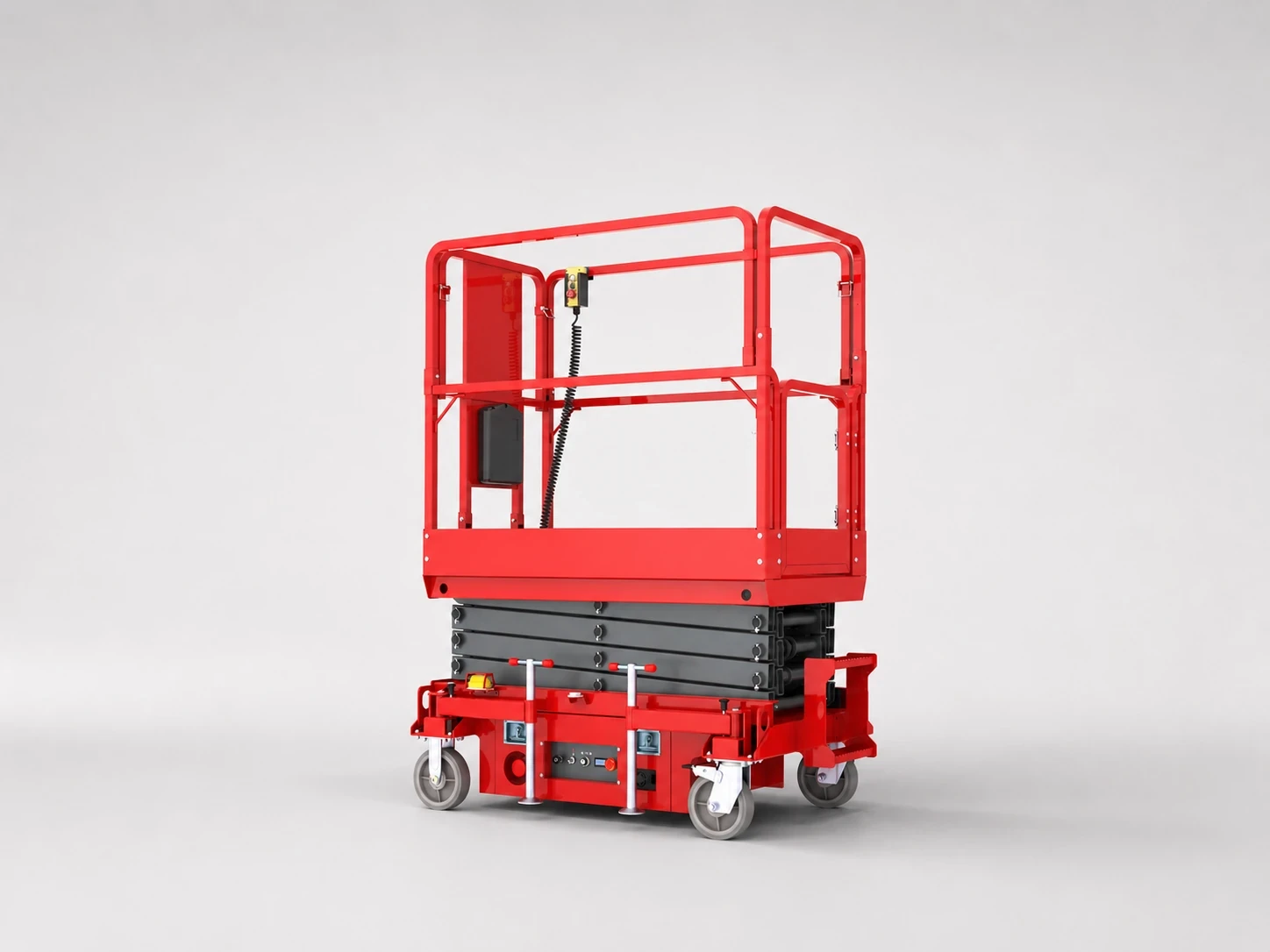
An order picker or other suitable lifting equipment can provide access to elevated inventory without relying on unsuitable manual methods.
Order Picking Equipment for Modern Warehouses
Equipment is an important part of the picking workflow.
Different tasks may require different equipment. Floor-level picking may involve carts or pallet trucks, while elevated picking can require an order picker lift or another access solution.
Electric equipment can be useful in indoor applications where powered movement and low-noise operation are important. Compact equipment can also help in warehouses with restricted aisle space.
When selecting order picking equipment, warehouse managers should consider:
Working height
Platform or load capacity
Machine dimensions
Aisle width
Operating surface
Indoor or outdoor application
Picking frequency
Operator requirements
Maintenance needs
Equipment selection should support the picking method instead of creating additional limitations.
Ways to Improve Warehouse Order Picking Efficiency
Improving picking performance does not always require a complete warehouse redesign.
Organize Products by Picking Frequency
Review which SKUs are requested most often. Frequently picked products may be positioned closer to convenient picking areas to reduce unnecessary travel.
Improve Picking Routes
Track common operator routes and identify repeated trips. Adjusting product locations or picking sequences can sometimes improve efficiency without changing the entire storage system.
Combine Different Picking Methods
A warehouse does not necessarily need to use one picking method everywhere.
Fast-moving products may be suitable for batch picking, while other product categories may work better with zone-based processes.
Match Equipment to the Warehouse
Selecting an order picker that fits aisle dimensions and required working height can make elevated picking more practical.
Monitor Performance
Useful indicators include picking accuracy, orders completed, travel time, picking productivity, and equipment utilization.
Regular monitoring can help warehouse managers determine whether changes to layout, equipment, or workflow are producing measurable improvements.
Warehouse Order Picking: Building an Efficient Workflow
Warehouse order picking is closely connected to storage layout, product organization, labor, technology, and equipment.
Piece picking provides a straightforward approach for smaller operations. Batch picking can reduce repeated trips when several orders share the same products. Zone picking can divide work across larger facilities, while wave picking can help coordinate picking with shipping schedules and warehouse priorities.
Many warehouses use a combination of these methods rather than relying on one approach for every product category.
The same principle applies to equipment. A warehouse may use basic material handling tools for floor-level picking while using electric order pickers for elevated storage locations.
The goal is not simply to pick products faster. A well-designed process should balance productivity, accuracy, space utilization, operator requirements, and equipment capabilities.
As warehouse operations expand, regularly reviewing the picking method can help identify opportunities to reduce unnecessary movement and improve the overall flow of goods.
Frequently Asked Questions About Warehouse Order Picking
What is warehouse order picking?
Warehouse order picking is the process of retrieving products from storage locations to fulfill customer or internal orders before they move to packing, shipping, production, or another stage.
What are the main order picking methods?
The main methods include piece picking, batch picking, zone picking, and wave picking. Warehouses may use one method or combine several methods depending on their operating requirements.
What is the difference between piece picking and batch picking?
Piece picking completes one order at a time. Batch picking combines multiple orders into a single picking trip and separates the products afterward.
What is zone picking?
Zone picking divides a warehouse into designated areas, with operators assigned to specific zones. This can reduce travel in larger facilities.
When is an order picker used?
An order picker is generally used when workers need to retrieve individual products from storage locations, especially where inventory is stored on racks or at elevated levels.
Are electric order pickers suitable for warehouses?
Electric order pickers can be suitable for many indoor warehouse applications where powered movement, compact dimensions, and lower operating noise are useful. The equipment should be selected according to the warehouse layout and application requirements.
How can a warehouse reduce order picking time?
Warehouses can reduce picking time by improving product placement, optimizing picking routes, using suitable picking methods, reducing unnecessary travel, and selecting equipment that matches the storage environment.