Blog
Single Man Lift Buying Guide: Working Height, Capacity & Applications
Published
Category
Guide
Learn how to choose a single man lift based on working height, capacity, dimensions, safety, applications and manufacturer requirements.
Single man lifts, also known as personnel lifts or man lifts, are essential tools for maximizing efficiency and productivity in various industries. These versatile lifts are designed to provide safe and easy access for one person to reach elevated areas, making them ideal for tasks such as maintenance, construction, installation, and more.
One of the key benefits of using a single man lift is the convenience and efficiency it offers. Unlike traditional ladders or scaffolding, single man lifts provide a stable and secure platform for workers to perform tasks at heights with ease. With their compact size and maneuverability, single man lifts can access tight spaces and navigate around obstacles with ease, saving time and effort for workers.
This guide explains what a single man lift is, how to choose the right working height and capacity, how it compares with other types of aerial equipment, and what to check when purchasing from a manufacturer.
What Is a Single Man Lift?
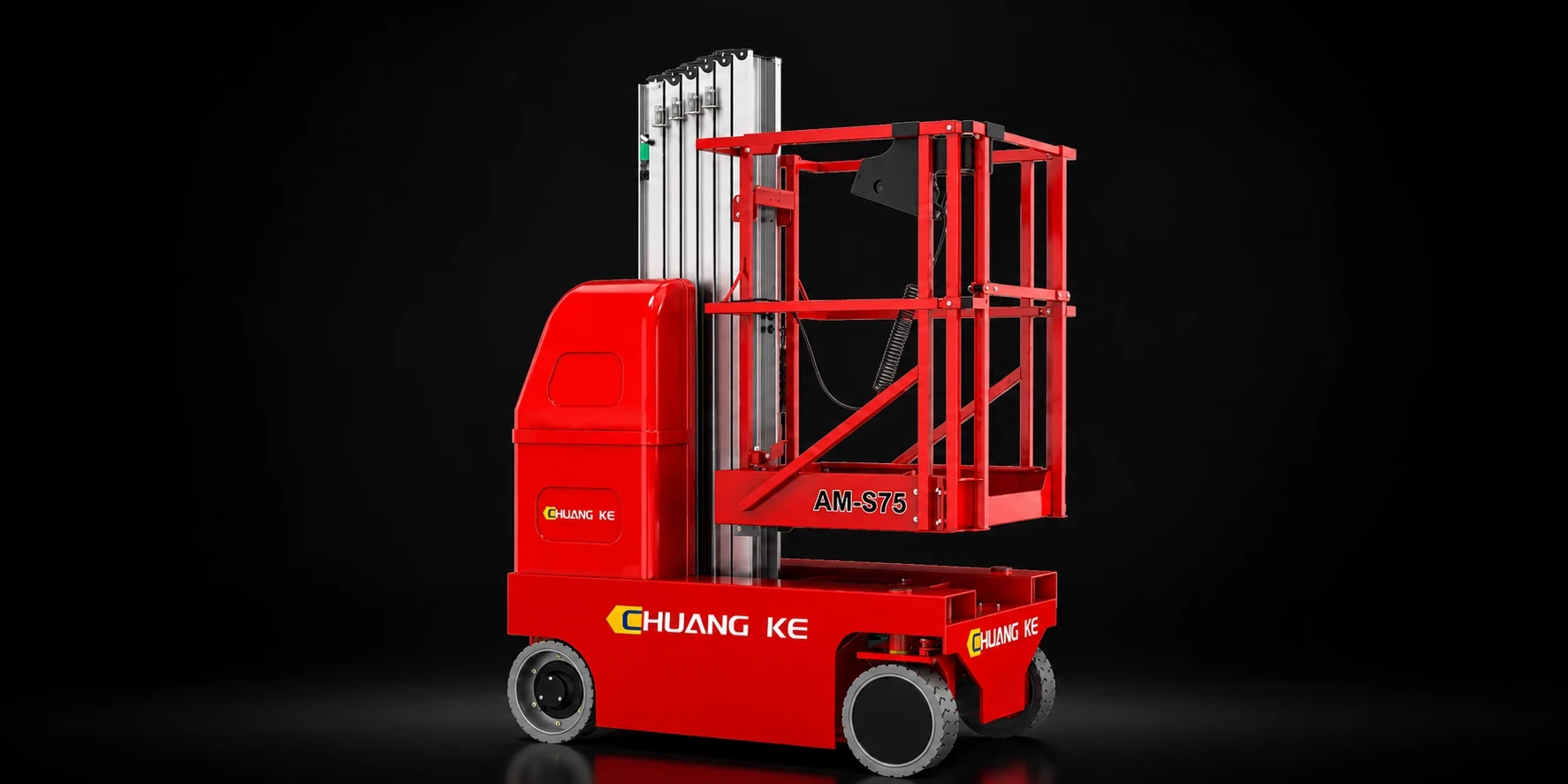
A single man lift, also called a single person lift, one man lift, or personnel lift, is an elevated work platform designed primarily for one operator.
The machine raises the operator vertically or through another specified lifting mechanism so that maintenance and installation tasks can be performed at height without using a fixed ladder or temporary access structure.
Depending on the model, a single man lift may be used for:
Building maintenance
Warehouse maintenance
Factory inspection
Lighting installation
Electrical work
HVAC maintenance
Retail facility maintenance
Ceiling installation
Equipment inspection
Construction finishing work
The appropriate machine depends on the working height, load, floor conditions, available space, and other requirements of the application.
For professional buyers, it is important to distinguish between a single man lift's platform height and its working height. These specifications should be clearly identified in the manufacturer's technical documentation.
Why Use a Single Man Lift?
Single man lifts, also known as personnel lifts or man lifts, offer a multitude of benefits when it comes to maximizing efficiency on the job site. These compact and versatile pieces of equipment are designed to provide a safe and efficient way for workers to reach elevated areas without the need for bulky scaffolding or ladders. In this article, we will discuss the various advantages of using a single man lift and provide tips for maximizing efficiency when using this equipment.
One of the main benefits of using a single man lift is its portability and ease of maneuverability. Unlike traditional scaffolding or ladders, single man lifts can be easily moved from one location to another, making them ideal for tasks that require frequent repositioning. This not only saves time and effort but also reduces the risk of worker fatigue and potential accidents that can occur when carrying and setting up heavy scaffolding.
Compact Footprint
Many single man lifts are designed for environments where space is limited. A compact machine can be easier to position in warehouses, factories, commercial buildings, and other facilities.
Easier Elevated Access
The operator can reach elevated work areas from a platform rather than repeatedly climbing and descending a ladder.
Improved Working Position
A platform gives the operator a defined working area for suitable tools and equipment within the machine's rated capacity.
Safety is another important factor to consider when working at heights, and single man lifts are designed with safety in mind. These lifts are equipped with safety features such as guardrails, emergency stop buttons, and non-slip platforms to prevent accidents and injuries. Additionally, single man lifts are OSHA-compliant, ensuring that workers are protected and can work confidently at elevated heights.
How High Can a Single Man Lift Reach?
The working height of a single man lift varies by model.
Instead of choosing a machine simply because it has the greatest possible height, buyers should determine the actual height required for the job.
For example, a facility maintenance application may require access to:
Lighting fixtures
Ceiling systems
Electrical equipment
HVAC components
Warehouse infrastructure
Building services
Elevated machinery
The required working height should be determined from the highest point that the operator needs to access.
Buyers should also distinguish between:
Platform height: the maximum height of the platform.
Working height: the maximum practical height at which the operator can perform work, as defined by the manufacturer's specification.
Always use the manufacturer's stated definition when comparing different models because terminology can vary between manufacturers.
How to Choose the Right Single Man Lift Working Height
Working height is one of the first specifications to determine.
A practical selection process is:
1. Identify the highest work point.
Determine the highest component, fixture, structure, or equipment that requires access.
2. Determine the required operator position.
Consider where the operator needs to stand to perform the work safely and effectively.
3. Check the manufacturer's rated working height.
Compare the required height with the machine's documented specification.
4. Consider the surrounding environment.
A machine that can reach the required height may still be unsuitable if it cannot fit through the access route or operate safely on the available floor.
For example, a warehouse may have sufficient ceiling height but narrow aisles or restricted door openings. In this situation, machine width and overall dimensions can be just as important as working height.
What Is the Capacity of a Single Man Lift?
Platform capacity refers to the maximum permitted load on the platform according to the manufacturer's specification.
The total load can include more than the operator.
Buyers should consider:
Operator weight
Tools
Handheld equipment
Installation materials
Other permitted loads
Never select a machine based only on the operator's weight.
For example, an operator carrying tools and equipment requires a machine with sufficient rated capacity for the combined load, not just the operator.
The manufacturer's rated platform capacity should never be exceeded.
How to Choose the Right Single Man Lift Capacity
A professional purchasing process should start by calculating the actual working load.
Consider the following:
Operator + tools + permitted equipment + materials = required working load
Then compare the result with the manufacturer's rated platform capacity.
It is also important to understand whether the manufacturer's rated capacity changes according to the machine configuration, platform extension, operating position, or other conditions.
For B2B projects, buyers should request the official technical specification rather than relying on information from online listings or third-party product descriptions.
Electric Single Man Lift for Indoor Applications
Electric single man lifts are often considered for indoor maintenance and installation applications where low-noise operation and the absence of direct exhaust emissions during operation are important.
Potential indoor applications include:
Warehouses
Manufacturing facilities
Shopping centers
Retail stores
Exhibition venues
Commercial buildings
Indoor maintenance facilities
When selecting an electric personnel lift, buyers should consider:
Battery capacity
Charging requirements
Operating duration
Machine dimensions
Floor conditions
Noise requirements
Tire configuration
Indoor operating environment
An electric machine is not automatically suitable for every indoor application. The manufacturer should specify the environments and conditions in which the machine is designed to operate.
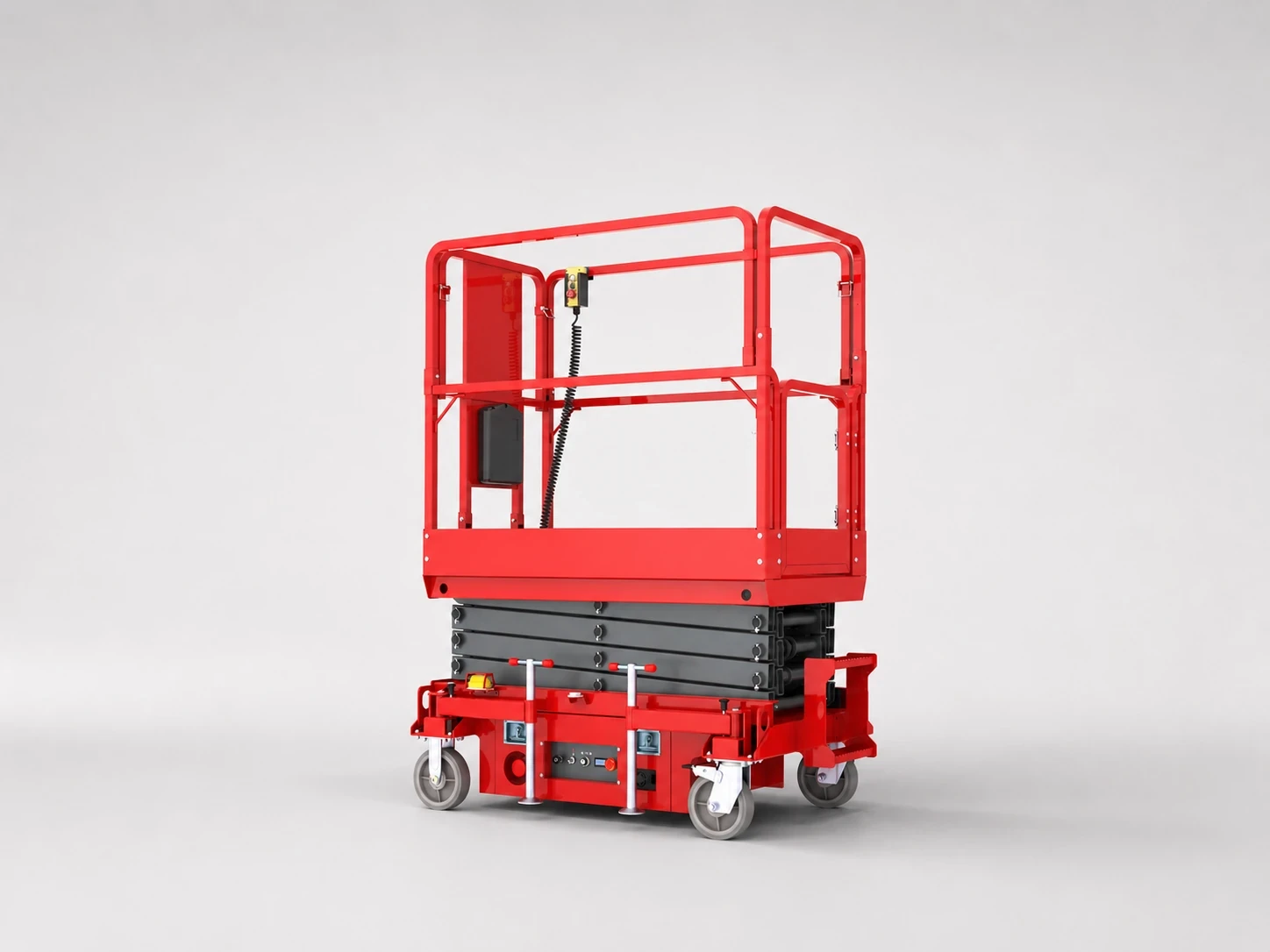
Single Man Lift vs. Scissor Lift
A common question from buyers is whether to purchase a single man lift or a scissor lift.
The two machine types can serve different purposes.
Feature | Single Man Lift | Scissor Lift |
|---|---|---|
Typical operator | One operator | One or more depending on model |
Platform size | Compact | Larger |
Footprint | Generally smaller | Generally larger |
Maneuverability | High for suitable models | Model dependent |
Narrow-space access | Often advantageous | More space may be required |
Working area | Individual elevated tasks | Larger work area |
Typical use | Maintenance and installation | Construction and larger work areas |
Capacity | Model dependent | Model dependent |
A single man lift can be practical when the primary requirement is compact access for one operator.
A scissor lift may be more appropriate when the job requires a larger platform, additional workers, or more space for tools and materials.
The correct choice should be based on the application rather than assuming one equipment type is universally better.
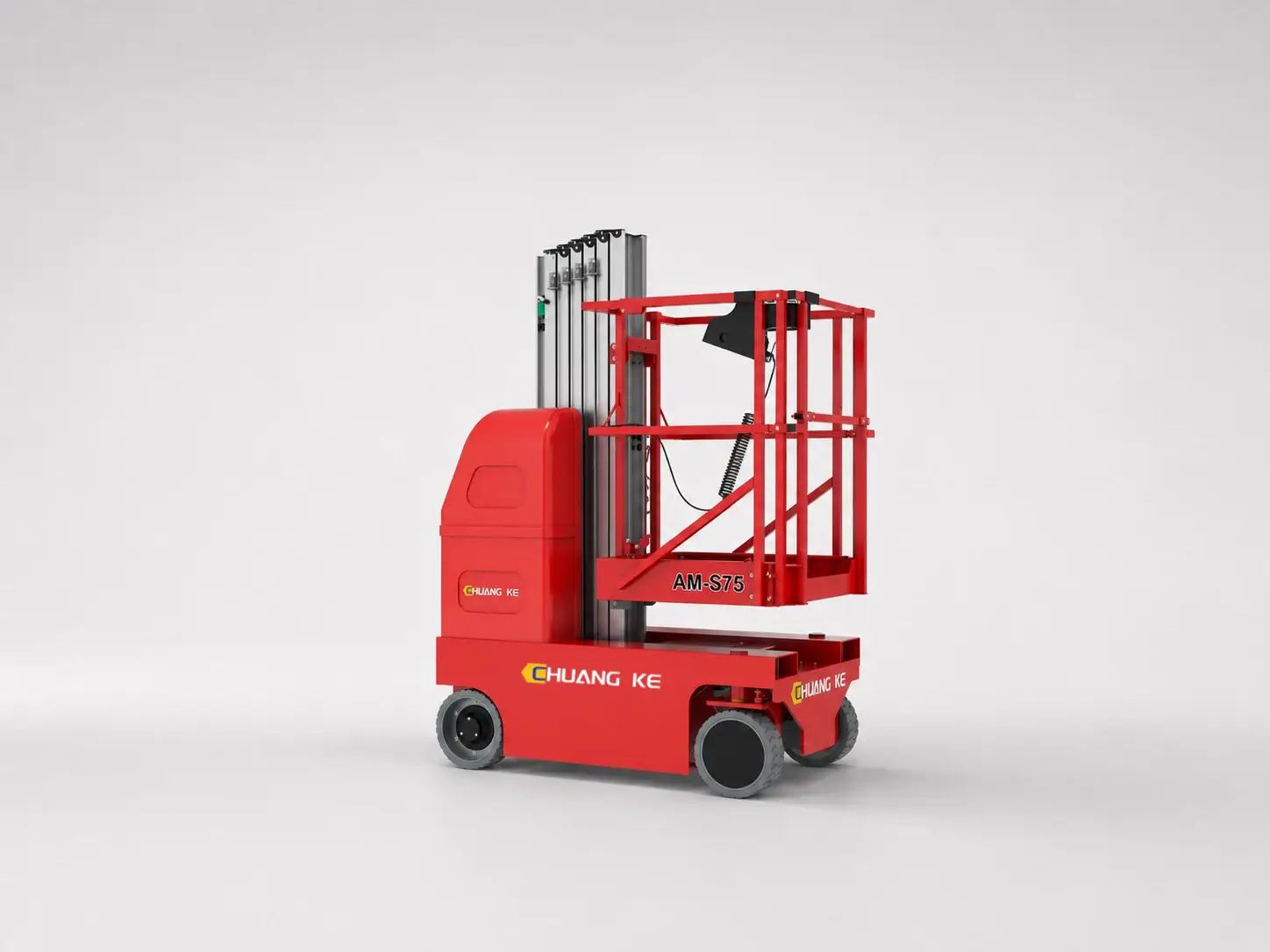
Single Man Lift vs. Vertical Mast Lift
A vertical mast lift is another type of compact personnel access equipment.
Both machines can be useful in applications where floor space is limited.
A vertical mast lift typically uses a vertical mast mechanism to raise the platform, while other single man lift configurations may use different lifting mechanisms.
When comparing them, buyers should examine:
Working height
Platform capacity
Overall dimensions
Platform size
Machine weight
Drive system
Turning radius
Doorway clearance
Battery capacity
Transport requirements
For facilities with narrow access routes, overall machine dimensions can be a decisive purchasing factor.
What Should You Check Before Buying a Single Man Lift?
Choosing a single man lift requires more than checking the maximum height.
1. Working Height
Make sure the rated working height is sufficient for the actual application.
2. Platform Capacity
Calculate the combined weight of the operator, tools, equipment, and permitted materials.
3. Machine Width
Check whether the machine can pass through:
Doors
Gates
Warehouse aisles
Elevators
Other restricted access points
4. Machine Weight
The total machine weight should be compatible with the floor and transport conditions of the application.
5. Platform Dimensions
A larger platform may provide more working space, but it can also increase the machine's overall footprint.
6. Power System
For electric models, evaluate battery capacity, charging time, operating duration, and charging infrastructure.
7. Mobility
Consider whether the machine needs to move frequently between different work areas.
8. Safety Equipment
Review the manufacturer's safety configuration and operating procedures.
9. Maintenance Requirements
Ask about:
Battery maintenance
Replacement parts
Inspection intervals
Service requirements
Technical support
10. Documentation
A professional manufacturer should provide appropriate product documentation, including operating instructions, specifications, maintenance information, and relevant conformity documentation.
Single Man Lift Safety Checklist
Safety should be part of the purchasing decision from the beginning.
Before operating a single man lift, users should follow the manufacturer's instructions and applicable local regulations.
Important checks may include:
Inspect the machine before use
Check the platform and guardrails
Verify emergency-stop operation
Check emergency-lowering systems where equipped
Inspect tires or wheels
Check battery condition
Confirm the rated capacity
Confirm the operating environment
Check the floor or ground conditions
Keep the platform within its rated capacity
Use the machine only within its specified operating conditions
Ensure operators receive appropriate training
Additional safety requirements can vary according to the machine, application, country, and applicable regulations.
For commercial buyers, the manufacturer's safety documentation should therefore be reviewed before purchase.
Where Are Single Man Lifts Used?
Single man lifts can support many elevated maintenance and installation tasks.
Warehouse Maintenance
Warehouses often have high ceilings, lighting systems, signs, storage infrastructure, and other elevated components that require periodic maintenance.
A compact personnel lift can be useful where the equipment can safely operate on the warehouse floor and fit through the available access routes.
Factory Maintenance
Manufacturing facilities may require access to lighting, electrical systems, machinery, ventilation equipment, and other elevated components.
The appropriate lift depends on the facility's floor conditions, working height, machine dimensions, and environmental requirements.
Commercial Buildings
Maintenance contractors may use personnel lifts for:
Lighting
HVAC systems
Electrical installations
Ceiling work
Building inspections
Retail and Exhibition Facilities
Compact lifting equipment can be useful in environments where space, floor protection, and maneuverability are important.
For these applications, buyers may need to consider machine width, tire type, noise level, and floor conditions.
How Much Does a Single Man Lift Cost?
There is no single price for a single man lift because equipment specifications vary significantly between models and manufacturers.
Factors that can affect the purchase price include:
Working height
Platform capacity
Battery configuration
Drive system
Machine dimensions
Safety configuration
Certification requirements
OEM customization
Order quantity
Destination market
Shipping requirements
For B2B buyers, the lowest initial purchase price should not be the only purchasing criterion.
Total procurement cost can also be affected by product reliability, spare parts, technical support, shipping, documentation, maintenance requirements, and supplier responsiveness.
How to Choose a Single Man Lift Manufacturer
Selecting the manufacturer is particularly important for distributors, rental companies, contractors, and overseas buyers.
Manufacturing Capability
First, determine whether the company is an actual manufacturer or primarily a trading company.
A manufacturer should be able to explain its production processes, quality-control procedures, engineering capabilities, and testing procedures.
Engineering Capability
For lifting equipment, engineering capability is important because structural design and load performance directly affect the machine.
A manufacturer may use engineering tools such as CAD, structural analysis, finite element analysis (FEA), prototyping, and testing as part of product development.
Quality Management
Buyers should check the manufacturer's quality-management system and the certifications applicable to the specific product.
For international purchases, confirm that the supplied equipment meets the requirements of the intended destination market.
OEM and ODM Capability
Distributors may require:
Private labeling
Custom colors
Customized product specifications
Branding
Packaging
User manuals
Product documentation
Before placing an OEM order, confirm exactly which customization options the manufacturer supports.
Production Capacity
For larger orders, production capacity can affect delivery schedules.
Ask the manufacturer about:
Monthly production capacity
Standard lead time
Bulk-order lead time
Quality-control procedures
Spare-parts availability
After-sales support
Why Choose WIZPLUS for Single Man Lift Solutions?
WIZPLUS is a China-based lifting equipment manufacturer serving international B2B customers with aerial work platforms and lifting equipment.
The company combines manufacturing, engineering, and OEM/ODM capabilities for customers that require customized equipment solutions.
For buyers evaluating a single man lift supplier, WIZPLUS can support discussions around important requirements such as:
Required working height
Platform capacity
Machine dimensions
Application environment
Electric configuration
OEM requirements
Product documentation
Bulk-order requirements
WIZPLUS's manufacturing operation in Zhejiang supports production and customization for international customers. Its engineering approach includes CAD and structural analysis for equipment development, while its quality and compliance processes are aligned with the requirements applicable to its products and target markets.
For distributors and equipment buyers, the most important step is to provide the manufacturer with accurate application information before requesting a quotation. This allows the supplier to recommend a configuration based on actual working conditions rather than simply quoting a standard model.
Single Man Lift Buying Checklist
Before purchasing a single man lift, review the following:
Required working height
Platform height
Rated platform capacity
Operator and tool weight
Machine width
Machine length
Machine weight
Platform dimensions
Battery and charging requirements
Floor conditions
Indoor or outdoor application
Doorway and access dimensions
Safety systems
Emergency systems
Maintenance requirements
Spare-parts availability
Manufacturer documentation
Applicable certifications
OEM/ODM requirements
Production capacity
Delivery requirements
After-sales support
Frequently Asked Questions About Single Man Lifts
What is a single man lift?
A single man lift is a compact aerial work platform designed primarily to raise one operator to an elevated working position. It is commonly used for suitable maintenance, inspection, installation, and facility-management tasks.
How high can a single man lift reach?
The maximum working height depends on the specific model. Buyers should compare the manufacturer's rated working height with the highest point that needs to be accessed.
What is the difference between a single man lift and a scissor lift?
A single man lift is generally designed for compact individual elevated work, while a scissor lift typically provides a larger platform and can accommodate greater working space. The appropriate machine depends on the application, capacity, working height, and available space.
Is a single man lift suitable for indoor use?
Some electric single man lifts are designed for indoor applications. Buyers should check the manufacturer's specifications for floor conditions, dimensions, battery configuration, operating environment, and other limitations.
How much weight can a single man lift carry?
The rated capacity varies by model. The total load normally includes the operator, tools, equipment, and other permitted materials. Buyers should never exceed the manufacturer's rated platform capacity.
What should I check when buying a single man lift from China?
Check the manufacturer's production capability, engineering resources, quality-control system, product specifications, applicable certifications, technical documentation, spare-parts support, OEM capability, lead time, and after-sales service.
Can a single man lift be customized?
Depending on the manufacturer, OEM or ODM options may include branding, color, configuration, packaging, documentation, and other specifications. Customization should be confirmed before production.
Conclusion
A single man lift can be an efficient solution for elevated maintenance, inspection, installation, and facility-management tasks when the equipment is correctly matched to the application.
The most important factors to evaluate are working height, platform capacity, machine dimensions, power system, mobility, operating environment, safety systems, documentation, and manufacturer support.
For B2B buyers, choosing the right equipment should begin with the application rather than the machine price. Define the required height, load, access dimensions, operating environment, and compliance requirements first. Then compare manufacturers based on technical capability, product quality, production capacity, documentation, and long-term support.
WIZPLUS works with international equipment buyers, distributors, and OEM customers to develop lifting equipment solutions according to specific application and project requirements.
Other Blogs